

“This is a Freedom of Speech Issue”

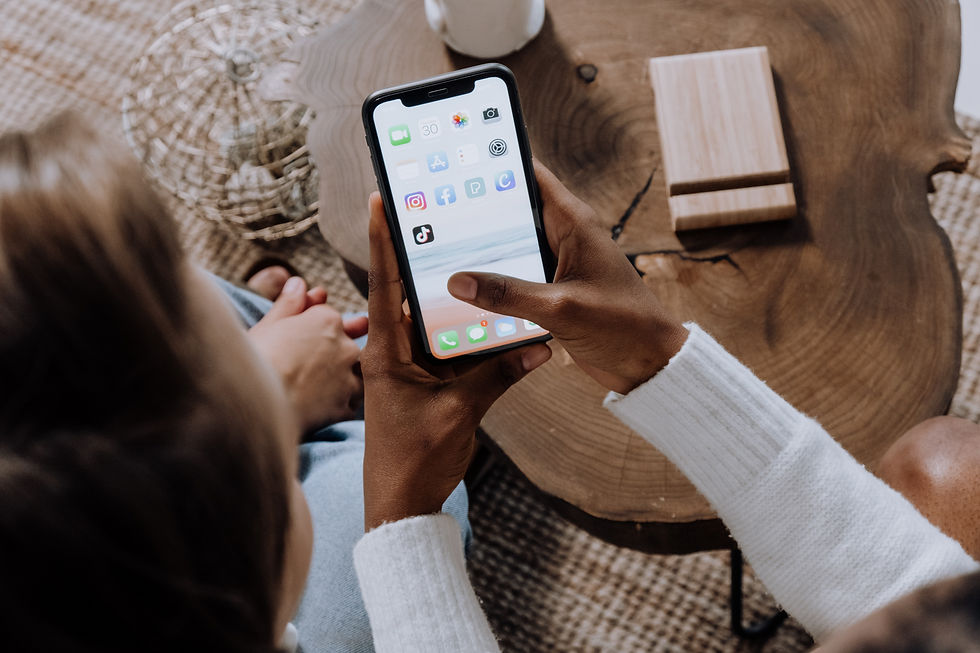
TikTok is one of the largest social media platforms with 800 million active users worldwide according to Oberlo. It allows varying creators to make content based on humor, sadness, joy, or anything they desire. Though it is popular with younger generations, it is quite unpopular with President Trump. In August, President Trump signed an executive order banning TikTok and WeChat in 45 days if it is not sold from its Chinese parent company ByteDance to an American based company. According to NPR, “The White House says TikTok captures vast swaths of information from its users, including location data and Internet search history” To Trump, this is a good enough reason to force the parent company to sell if they still want their American audience. This is an unprecedented act with unprecedented consequences, whether they are good or bad.
This is not the first time a social media app has been questioned by the United States government. In March of 2018, Facebook was under investigation due to privacy concerns. Mark Zuckerberg, the platform’s founder, was held accountable for the data collecting and sharing it was doing without the consent of its users. Facebook being investigated was a scandal, but it is not uncommon for apps to take in data from its users. "While TikTok is being singled out in this executive order, their data collection and sharing practices are fairly standard in the industry," stated technology professor Kirsten Martin from the University of Notre Dame. "In fact, many fitness apps were banned from use in the military for tracking location data, but we did not ban them from all U.S. citizens." If other apps archive information and data on their users, why are they not being banned as well? What makes TikTok different than Facebook or Instagram? The answer is simple: it is owned by a Chinese based company.
In an interview with Dr. Raney, a professor of History and Political Science at Oklahoma Baptist University, she gave further insight into the politics and repercussions of President Trump’s executive order. “The executive order is not exactly a ban. What it required was for that platform, TikTok, and the other one, WeChat, they had to find new owners: American owners” stated Raney. Even though Facebook has been under investigation, no social media app has been accused of committing espionage. The fact that TikTok is being accused of it simply because it originated in China is not setting a good precedent nor is it encouraging healthy relations with the Chinese government. Dr. Raney went on to say “I really think it’s problematic… the President should not be picking winners and losers [when it comes to business],” she continues “Telling the Chinese company they have to sell TikTok is in the same category, as far as I’m concerned, tweeting out don’t buy Goodyear tires.” This is problematic. President Trump is saying what can and what can not take in information about the American people based on who owns the company. Dr. Raney shared that some of the youth she was talking to at church believe President Trump is not doing this out of fear for public safety but because of what happened at the Tulsa rally this year.
Many “TikTokers” became politically active by trying to sabotage the Trump rally held on June 20th. The event was free, and anyone could sign up. It quickly became trending on TikTok to sign up for the event so Trump supporters could not go. White House intel speculated that President Trump was livid by the “prank”, and youths are seeing Trump’s response as a petty rebuttal. This is all speculation, but this theory is also trending on TikTok.
From stealing intel to retaliation for what happened at the Tulsa rally, TikTok, and WeChat are due to be banned on September 15. Microsoft is interested in the company and Apple will not take off pre-downloaded content from any of its customers phones. This issue on the freedom speech to speak one’s mind on an app and sell a product to a company founded on free speech is hanging in the balance. No one may know what will happen next, but it is without a doubt that the government and its relationship with social media are ever-changing.


Comments